The Most Common Words in Viral Titles
Want to skyrocket your YouTube views? Discover the top 5 most common words in viral titles to boost your CTR today.
Every single minute, over 500 hours of video are uploaded to YouTube. Let that sink in for a moment. In the time it takes you to read this introduction, thousands of new videos will be competing with yours for a viewer’s attention.
So, how do you stand out in an ocean of content? How do you convince the YouTube algorithm to push your video to the coveted homepage, and more importantly, how do you convince a human being to actually click on it?
The answer lies in your Click-Through Rate (CTR)—and your CTR is almost entirely dependent on the devastating 1-2 punch of your thumbnail and your title.
Welcome to our Blog, where we help creators turn their passion into explosive growth. Today, we are breaking down the exact psychology of a click. We have analyzed thousands of trending videos to bring you the most common words in viral titles, why they work, and how you can implement them into your own content strategy today.
The Psychology Behind the "Click"
Before we look at the specific words, we need to understand why people click. Humans are driven by a few core psychological triggers:
- Curiosity: The gap between what we know and what we want to know.
- Fear of Missing Out (FOMO): The anxiety that others possess valuable knowledge that we lack.
- Desire for Authority: We want the definitive answer, the "best" product, or the ultimate guide.
- Emotion & Relatability: We want to connect with a human story, a struggle, or an unbelievable triumph.
When you craft a title, you aren't just summarizing what happens in your video. You are writing a psychological hook designed to trigger one of these four emotions.
Think of the "shocked face" you see in almost every viral thumbnail. That exaggerated emotion is visually doing exactly what your title needs to do textually: signaling to the viewer that something unbelievable is waiting on the other side of that click.
The 5 Most Common Words in Viral YouTube Titles
If you want to increase your YouTube CTR, start sprinkling these proven power words into your titles.
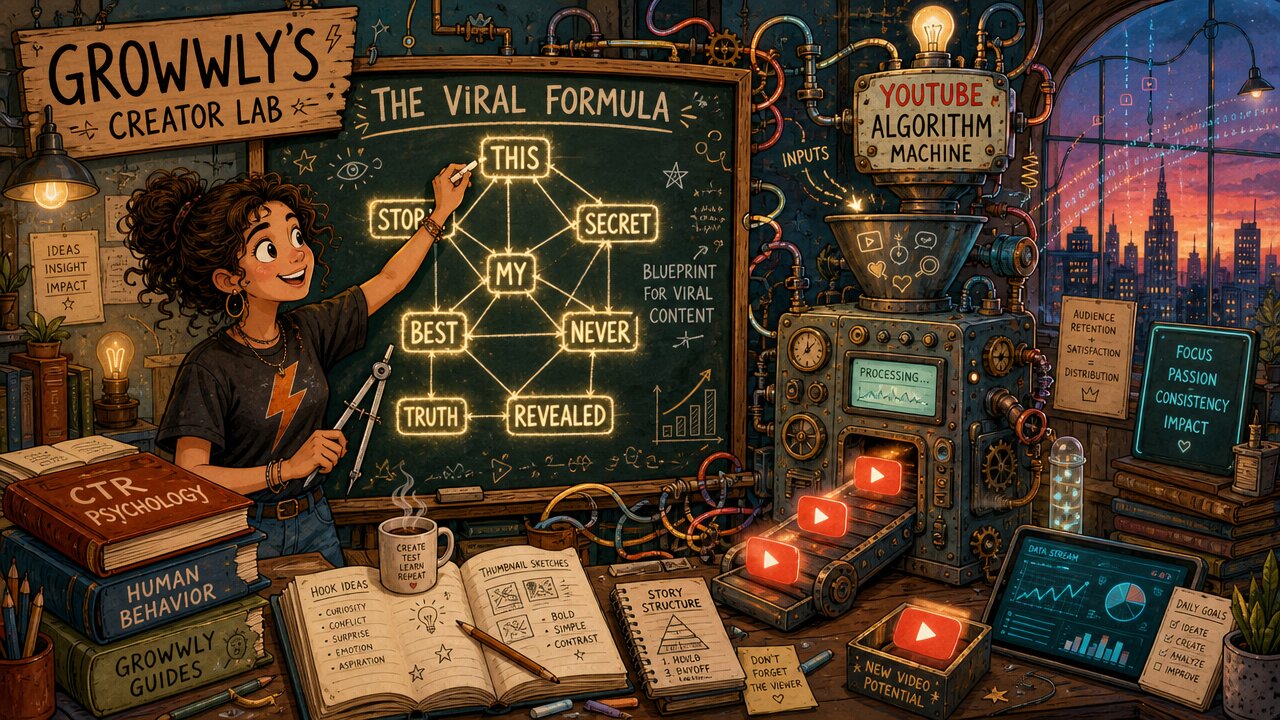
1. The Word: "THIS" (The Curiosity Gap)
The word "this" is arguably the most powerful word on YouTube. It is the ultimate curiosity gap creator. By using "this," you are deliberately withholding the specific subject of the video, forcing the viewer to look at your thumbnail or click the video to find the answer.
- Example (Bad): "How to Fix Your Microphone Audio"
- Example (Viral): "Do THIS to Make Your Mic Sound Like a Podcast Studio"
When you use "this," the viewer must click to figure out what "this" is. Just make sure your thumbnail gives a visual hint without giving away the entire secret!
2. The Words: "NEVER" or "STOP" (The Negative Hook)
Human beings possess an inherent "negativity bias." We are psychologically wired to pay more attention to threats or mistakes than we are to positive outcomes. Telling someone how to succeed is good, but warning them about a catastrophic mistake they might be making right now is irresistible.
- Example (Bad): "Tips for Better Personal Finance"
- Example (Viral): "STOP Buying Stocks Until You Watch This" or "NEVER Make This Mistake in Your 20s"
These words trigger FOMO and urgency. The viewer instantly thinks, "Wait, am I doing that? I need to click to make sure I'm not ruining my chances of success."
3. The Words: "SECRET" or "TRUTH" (Exclusive Knowledge)
We all want to feel like insiders. We want access to the hidden knowledge that the top 1% possess. Using words like "Secret," "Truth," or "Exposed" signals to the viewer that you are pulling back the curtain on a topic they care about.
- Example (Bad): "MrBeast's YouTube Strategy"
- Example (Viral): "The Untold SECRET Behind MrBeast’s Billions of Views"
This positions you as the authority who has done the deep research so the viewer doesn't have to.
4. The Words: "I" or "MY" (The Personal Story)
While YouTube is the second largest search engine in the world, it is ultimately a social media platform. People connect with people. Incorporating personal pronouns like "I" or "My" turns a sterile, educational video into an engaging personal case study.
- Example (Bad): "How to Lose 20 Pounds"
- Example (Viral): "How I Lost 20 Pounds in 30 Days (Without Running)"
The personal angle adds authenticity. It proves that the method works because the creator actually experienced it themselves.
5. The Words: "BEST" or "WORST" (The Extremes)
Nobody wants to watch a video about a "pretty good" microphone or a "mediocre" video game. The YouTube algorithm thrives on extremes. Hyperbolic words act as a definitive guide for consumers looking to make a decision.
- Example (Bad): "Reviewing the iPhone 15"
- Example (Viral): "The BEST Smartphone of 2024 (And the WORST)"
By establishing extremes, you promise the viewer a definitive conclusion, saving them the time of watching five different moderate reviews.
How to Structure Your Titles for Maximum SEO and CTR
Knowing the viral words is only half the battle. How you structure them determines how well they perform in YouTube Search and Browse features.
Here are the golden rules for structuring a title that the YouTube algorithm will love:
1. Keep it Under 60 Characters
While YouTube allows up to 100 characters for a video title, any title over 60 characters runs the risk of being truncated (cut off with an ellipsis "...") on mobile devices. Considering that over 70% of YouTube watch time happens on mobile, your hook needs to be visible immediately.
2. Front-Load the Important Words
Because of truncation, you must put the most important keywords and emotional triggers at the very beginning of the title.
- Wrong: "A Complete Guide to Starting a Channel in 2024"
- Right: "2024 YouTube Guide: How to Start from Scratch"
3. Pair Emotion with Search Intent
A perfect YouTube title balances SEO (what people are typing into the search bar) with CTR (the emotional trigger that makes them click).
- Formula: [Emotional Power Word] + [SEO Keyword]
- Example: "The Secret to Mastering Final Cut Pro"
4. Align the Title with the Thumbnail
Your title and thumbnail should not say the exact same thing; they should complement each other. If your title is "I Ate Only Pizza for 30 Days," your thumbnail text shouldn't just repeat "I Ate Pizza." It should say something like "I Regret This" or show a dramatic before-and-after photo. Create a visual loop that forces the click.
Common Title Mistakes That Kill Your Video's Potential
Even veteran creators make mistakes that sabotage their videos before they even launch. If you want to grow your channel, avoid these pitfalls:
- Clickbait that Lies: There is a difference between a "curiosity gap" and a lie. If your title promises a secret to making $1,000 a day, and the video is just a vlog of you walking your dog, viewers will click off immediately. This kills your Audience Retention, and YouTube will stop recommending your video. Deliver on the promise of your title.
- Wasting Space on Episode Numbers: Unless you are producing a highly serialized drama, do not start your title with "Minecraft Let's Play Episode #47." Nobody cares about the episode number except your most hardcore fans, and it repels new viewers who feel like they are "behind" on the story. Put episode numbers at the very end of the title or in the description.
- Being Too Vague: A title like "A Big Change..." might work if you have 10 million subscribers who care deeply about your personal life. But if you have 1,000 subscribers, new viewers won't care. Be specific about the value you are providing them.
Conclusion: Start Optimizing Your Growth
Going viral on YouTube isn’t magic—it’s a mix of understanding human psychology, recognizing platform trends, and respecting the algorithm. By injecting power words like "This," "Stop," "Secret," "I," and "Best" into your titles, you can immediately start improving your Click-Through Rates.
Remember, a great video with a terrible title will never be seen. Spend as much time crafting your title and thumbnail as you do editing the video itself.
Are you ready to take your YouTube channel to the next level? Tracking your analytics, A/B testing your titles, and understanding your audience is the key to sustainable growth. Keep checking back on our Blog for more strategies, creator tools, and deep dives into the algorithms that power the creator economy.
Now, go write a title that they can't help but click!

Why Kurzgesagt Gets So Many Returning Viewers
Kurzgesagt uploads just twice a month yet keeps 25.4M subscribers coming back for more. Here's the exact retention system behind it, backed by data — and how any creator can borrow it.
Read the post
The Ultimate YouTube Publishing Checklist
Want your videos to rank higher? Discover the ultimate YouTube publishing checklist. Learn the exact SEO and upload steps to guarantee your content gets seen.
Read the post