The Hidden Signals YouTube Uses to Recommend Videos
Stop guessing how the YouTube algorithm works. Uncover the hidden signals YouTube uses to recommend videos and learn actionable tips to grow your channel.

As a creator, it often feels like you are at the mercy of a mysterious, ever-changing algorithm. You upload a video you are incredibly proud of, only to watch it flatline in the analytics tab. But what if I told you the YouTube algorithm isn't actually judging your videos? It's judging how people react to them.
Here is the truth: the days of hacking the system with clickbait or keyword stuffing are over. YouTube's recommendation engine is built on one simple goal: keeping viewers on the platform by maximizing their satisfaction.
Let's pull back the curtain on the hidden signals YouTube uses to rank and recommend your content—and how you can optimize for them without needing a computer science degree.
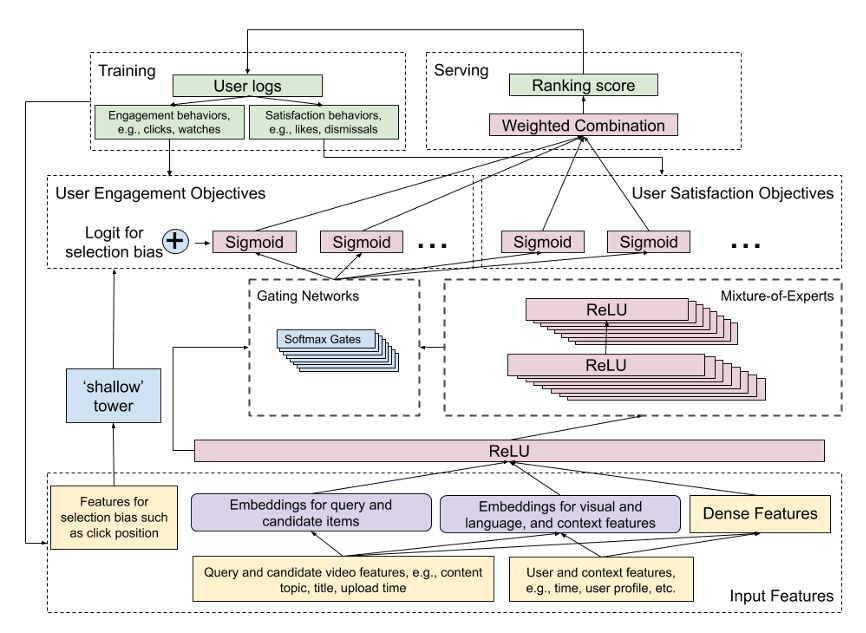 YouTube's actual backend is complex, but the concepts are simple.
1. The Shift from Clicks to Satisfaction
Historically, creators obsessed over two metrics: Click-Through Rate (CTR) and Watch Time. While those still matter, they are no longer the whole story. A click doesn't mean much if the viewer leaves frustrated 15 seconds later.
Today, the algorithm weighs qualitative satisfaction signals heavily. These include:
- Post-View Surveys: Have you ever seen YouTube ask, "Did you enjoy this video?" A 4 or 5-star rating tells the algorithm that the watch time was truly valuable to the viewer.
- The "Not Interested" Penalty: When a user clicks "Don't recommend channel," it acts as a massive negative signal. This is why misleading clickbait destroys your channel's long-term reach.
- Session Contribution: Does your video inspire the viewer to watch another video, or do they close the app entirely? Content that keeps people on the platform is rewarded with more impressions.
2. The Two-Step Recommendation Process
Behind the scenes, YouTube uses a two-stage process every time a viewer opens the homepage.
- Candidate Generation (The Wide Net): The algorithm looks at the viewer's past watch history and pulls hundreds of videos it thinks they might like from millions of options.
- Ranking (The Filter): This is where your video competes. The system scores each candidate video based on predicted engagement (will they click?) and predicted satisfaction (will they actually enjoy it?).
If your video has an amazing thumbnail but terrible viewer retention, it might pass the first test but will fail the second, causing your impressions to quickly drop off.
Test it yourself
Key insight: A video with an average CTR but an incredibly high Satisfaction Score will often outperform a viral-clickbait video in the long run because it builds trust with the algorithm.
3. Actionable Ways to Optimize Your Content
Now that you know what the algorithm actually wants, how do you feed it the right signals?
- Hook them in 7 seconds: The algorithm monitors early drop-off closely. Skip the long, animated channel intros and immediately deliver on the promise you made in the title and thumbnail.
- Focus on pacing over production: You don't need cinema-quality cameras; you need good pacing. Use pattern breaks—a new visual graphic, a zoom-in, or a change in camera angle—every 15 to 20 seconds to hold attention and improve your Average View Duration.
- Build a bingeable series: Design your content to create a natural "next step." End your videos by pointing viewers directly to another relevant video on your channel rather than a generic outro. This boosts your Session Contribution score.
- Prioritize the right engagement: Don't just ask viewers to "like and subscribe." Ask a specific, genuine question about the topic that prompts a meaningful comment. High-quality engagement is a strong proxy for viewer satisfaction.
Final Thoughts
The algorithm is just a mirror reflecting human behavior. Stop trying to trick the machine and start focusing on the person on the other side of the screen. When you consistently deliver value, solve a problem, or tell a great story, the algorithm will naturally do the heavy lifting for you.

Why Kurzgesagt Gets So Many Returning Viewers
Kurzgesagt uploads just twice a month yet keeps 25.4M subscribers coming back for more. Here's the exact retention system behind it, backed by data — and how any creator can borrow it.
Read the post
The Ultimate YouTube Publishing Checklist
Want your videos to rank higher? Discover the ultimate YouTube publishing checklist. Learn the exact SEO and upload steps to guarantee your content gets seen.
Read the post